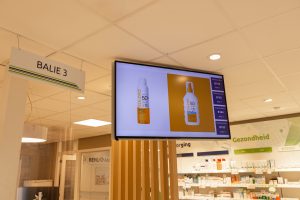
Digital signage is a must for pharmacies and other healthcare settings looking to reduce shopper frustrations, streamline processes, and maximize revenue. This blog looks at the variety of ways in which digital displays can be used in a pharmacy setting. Exploring the role across the patient and shopper journey, this blog will explore how digital signage, kiosk, and touchscreen technology improve customer experience, drive operational efficiency and create new revenue streams.
By Scala Team
March 19, 2026
Share
Key takeaways
·
Digital displays are becoming essential in pharmacies, enhancing customer experience, reducing wait times, and improving operational efficiency across the entire patient journey.
·
Real-time information and engaging content (especially in waiting areas) can significantly reduce perceived wait times, lower stress, and improve overall patient satisfaction.
·
Beyond efficiency gains, digital signage unlocks new revenue opportunities through retail media and advertising, while enabling flexible, real-time communication that can be tailored to both local and national needs.
The Healthcare Digital Signage Market is expected to reach USD 1.10 billion by 2030, up from USD 0.75 billion in 2025. The majority of this growth will be within hospital and clinic settings, but it is expected that pharmacies and other healthcare-adjacent settings, such as wellness centers, gyms, and aestheticians, will also invest significantly in their digital display capabilities as the possibilities offered by integrated digital solutions become more widely recognized.
Making a Strong First Impression with Exterior Signage
Exterior-facing digital signage serves as the first touchpoint between a pharmacy and its customers. These screens do far more than simply display branding—they actively welcome customers while communicating essential, real-time information. Opening hours, average wait times, and directions to nearby alternative branches can all be shared instantly and updated as needed to best serve shoppers.
In-window screens can do more than just impart useful information. By incorporating QR code functionality, pharmacies can give customers a convenient way to book appointments for services such as vaccinations or consultations before they even step inside. This not only improves efficiency at the pharmacy but also helps manage demand more effectively.
These exterior displays can also double as advertising platforms. Pharmacies may promote in-store products and also tap into wider Digital Out of Home (DOOH) opportunities by hosting campaigns for non-endemic brands, such as film releases or financial services. In times of need, these screens can even pivot to share critical public health messaging—making them a valuable community asset and a potential revenue stream.
Kiosks for Convenience, Clarity and Customer Care
Once inside the pharmacy, welcome kiosks play a crucial role in shaping the patient journey. Acting as a digital front desk, these kiosks help reduce wait times, improve communication, and free up staff to focus on more complex tasks.
Patients can quickly register their visit, whether they’re collecting a prescription or seeking advice. Integration with mobile devices means users can check in and receive notifications when it’s their turn, creating a smoother, more transparent experience.
Welcome kiosks also help address common pain points. They can mitigate language barriers, such as those encountered in pharmacies in tourist-heavy areas, and provide reminders about health services, such as flu vaccinations or general hygiene practices.
Empowering and Engaging Customers through Interactive Displays
Interactive touchscreen displays take the pharmacy experience a step further by enabling guided self-service and offering an engaging platform for product discovery. Via an integrated touchscreen display, patients can be led through a series of questions leading to a recommendation of appropriate over-the-counter medicines. This reduces reliance on staff for common ailments, which may not require an in-person consultation or restricted medication.
The potential of touchscreen technology goes beyond basic recommendations for allergy tablets or cough medicine. Interactive displays can help customers build tailored healthcare or cosmetics packages—whether that’s a skincare routine, a vitamin regimen, a complete make up look or a travel health kit. When integrated with loyalty programs, touchscreen interactions can yield valuable insights into customer preferences, enabling more personalized and effective promotions in the future.
Making Waiting Work
Waiting areas present a unique opportunity to inform, engage, and reassure patients. Digital screens in these spaces can display real-time wait times and service updates—an approach recommended by the Royal College of Emergency Medicine in the UK.
Research supports the impact of this strategy. Studies have shown that displaying real-time information can reduce perceived wait times by up to 35%, while engaging content, such as health advice, can lower stress levels by as much as 37%.
These screens can also deliver deeper health education, promote community initiatives, and highlight upcoming clinics or services. For younger visitors, smaller tablets offering games or child-friendly content can help alleviate boredom and even serve as a distraction during inoculations or other treatments.
A strong example comes from the Dutch pharmacy chain BENU Apotheek, which has rolled out 655 screens across 345 locations. The result has been improved efficiency, reduced wait times, and higher customer satisfaction—demonstrating the tangible impact of this technology at scale. Read the complete case study here.
Unlocking Retail Media Opportunities
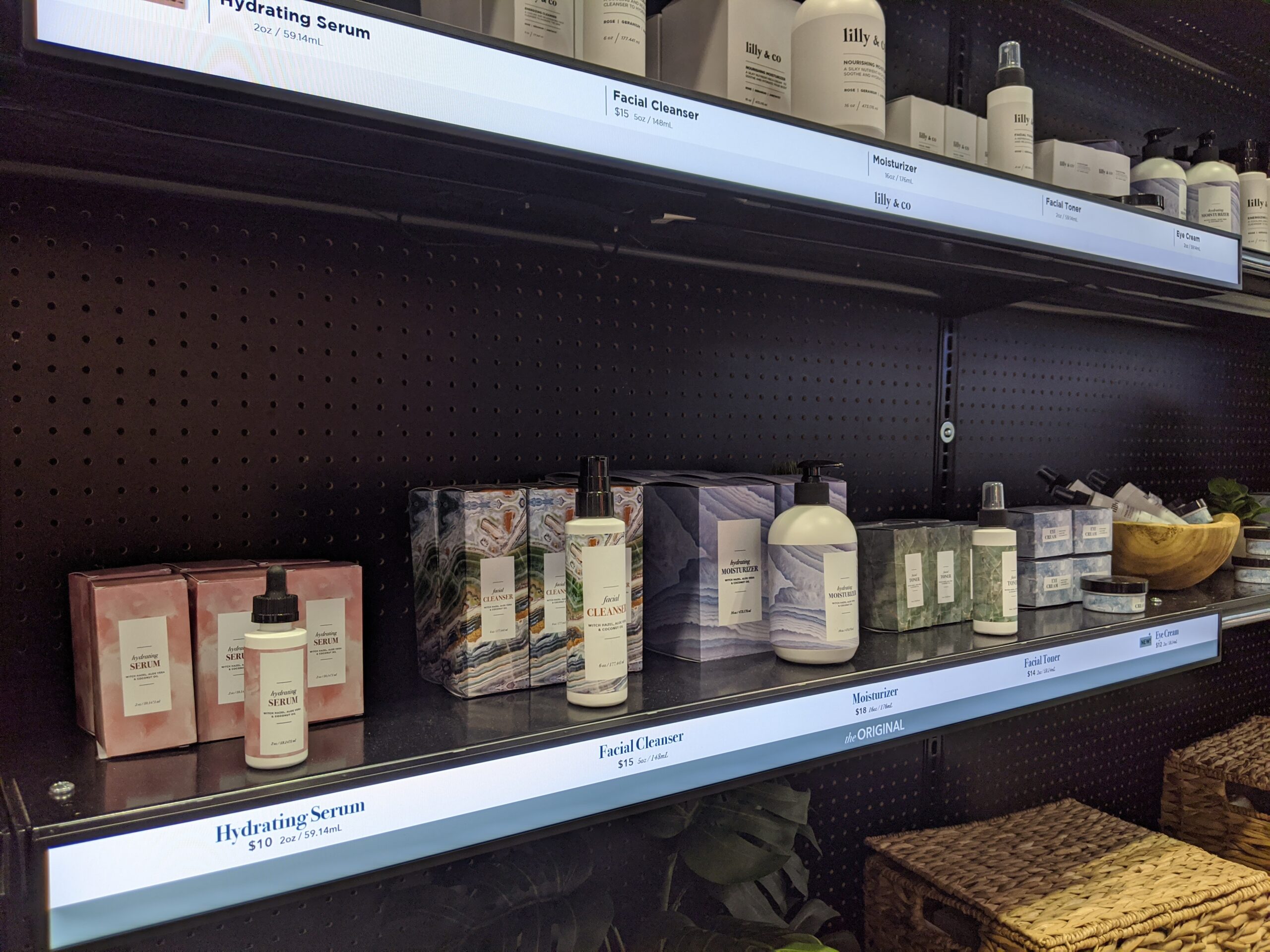
Beyond operational improvements, digital signage opens the door to retail media—a rapidly growing revenue stream for retailers and other premises. Pharmacies with sufficient scale can monetize their screen networks by offering advertising space to brands, both within and beyond the cosmetics, hygiene, and healthcare sectors.
The impact is significant. Research from AccentHealth found that US doctors reported a 50% increase in same-day discussions about advertised brands, while 63% of patients said they had discussed or planned to discuss content they saw on waiting room screens.
In Europe, FUTURAMEDIA has demonstrated that combining point-of-sale and street-facing signage can drive product sales up by as much as 77%. Even standalone implementations show strong results, with notable sales increases from both in-store and exterior displays.
A Connected, Flexible Future for Pharmacies
What makes digital signage truly powerful is its flexibility and the way a single in-store surface can convey multiple messages. Pharmacies can deploy national campaigns while tailoring communications to specific locations, ensuring relevance at both a macro and micro level. Content can be updated in real time to align with local needs, seasonal trends, or public health priorities.
In a sector where efficiency, trust, and communication are critical, digital signage and integrated solutions are no longer optional—they’re essential. Pharmacies that embrace this technology are not just modernizing their operations; they’re redefining the patient experience for happier customers and a healthier business.
The Healthcare Digital Signage Market is expected to reach USD 1.10 billion by 2030, up from USD 0.75 billion in 2025. The majority of this growth wil...
With another National Retail Federation (NRF) show in the books, Scala and the entire STRATACACHE team spent an energizing few days at the 2020 Show p...
The automotive showroom is no longer just a display space—it’s a validation environment where online research meets in-person confirmation. As buyer b...
We use cookies to enhance your browsing experience, serve personalized ads or content, and analyze our traffic. By clicking "Accept All", you consent to our use of cookies.
Functional
Always active
The technical storage or access is strictly necessary for the legitimate purpose of enabling the use of a specific service explicitly requested by the subscriber or user, or for the sole purpose of carrying out the transmission of a communication over an electronic communications network.
Preferences
The technical storage or access is necessary for the legitimate purpose of storing preferences that are not requested by the subscriber or user.
Statistics
The technical storage or access that is used exclusively for statistical purposes.The technical storage or access that is used exclusively for anonymous statistical purposes. Without a subpoena, voluntary compliance on the part of your Internet Service Provider, or additional records from a third party, information stored or retrieved for this purpose alone cannot usually be used to identify you.
Marketing
The technical storage or access is required to create user profiles to send advertising, or to track the user on a website or across several websites for similar marketing purposes.




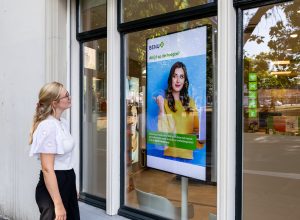 Exterior-facing digital signage serves as the first touchpoint between a pharmacy and its customers. These screens do far more than simply display branding—they actively welcome customers while communicating essential, real-time information. Opening hours, average wait times, and directions to nearby alternative branches can all be shared instantly and updated as needed to best serve shoppers.
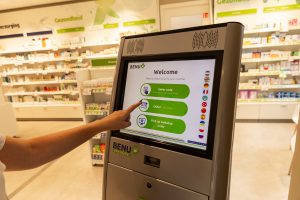 Once i