A new McKinsey report, produced in collaboration with ICSC, has landed at just the right moment. Shopping in the Age of AI: Redefining Stores for a New Era is based on a survey of more than 3,000 US consumers and numerous executive interviews. While referring to the American market, the fundamental dynamics described in the report are just as real here in EMEA. AI is reshaping how people discover and buy products on both sides of the Atlantic, and physical retail must respond.
The headline finding is both reassuring and challenging for anyone who works in or around stores: bricks and mortar retail isn’t going away, but the reasons customers show up to stores, and what they expect when they get through the doors, are changing fast.
Two Trips, Two Very Different Jobs
The McKinsey study frames shoppers visiting the physical store as looking to complete one of two distinct missions: convenience or discovery.
For convenience trips, shoppers already know what they want before they leave home. 85% of survey respondents said they conduct online research before visiting a store. They’ve compared prices, know which products are available where, and narrowed their options. When they walk through the door, the store’s job is confirmation and fulfillment. The shopper’s in-store experience needs to be fast, frictionless, and reliable. Any frustration such as products being difficult to find (or worse, out of stock), price discrepancies, poor service or queues at the checkout will send these shoppers, who have already conducted much of their journey online straight back to the web to find an alternative and they may not venture back to a physical store or trust that retailer for a while if ever again.
Discovery trips are a different proposition entirely. Younger consumers, particularly Gen Z and millennials, who have significant spending power, are actively seeking physical spaces for exploration, inspiration, and social connection. They want curated environments, edited assortments, pop-ups, and in-store events. They’re not just shopping; they’re looking for a reason to be in the physical space. They are craving an experience that can only be had in-person.
The risk for retailers is playing both missions at once and executing neither well. The report is direct about this: the middle ground, that is stores that are neither genuinely convenient nor clearly differentiated, is increasingly hard to sustain.
Where Scala and Our Partners Come In
This is where in-store technology, deployed with strategic intent, makes a real difference.
For convenience-optimized stores, digital signage and dynamic displays can do significant heavy lifting including real-time inventory visibility, clear wayfinding, obvious pricing, as well as frictionless pickup and returns communication. When AI agents are increasingly influencing shopper purchase decisions before a customer enters the store, your physical environment needs to validate and reinforce the research that has already been done online. Scala’s content management platform enables retailers to keep store communications accurate, responsive, and on-brand at scale — whether you’re running ten stores or ten thousand.
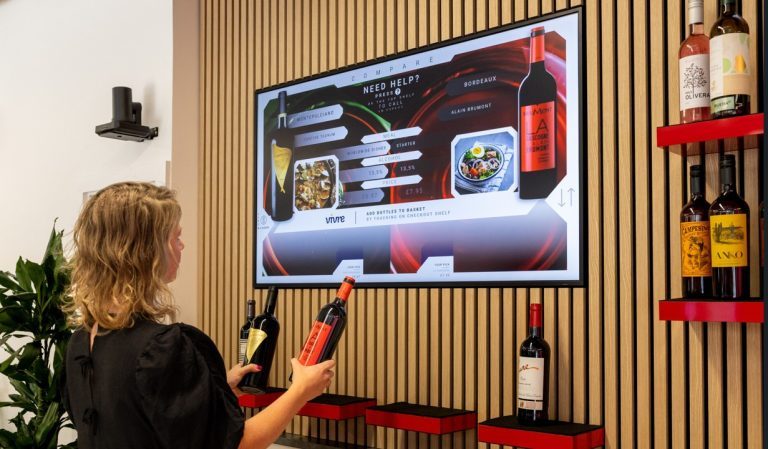
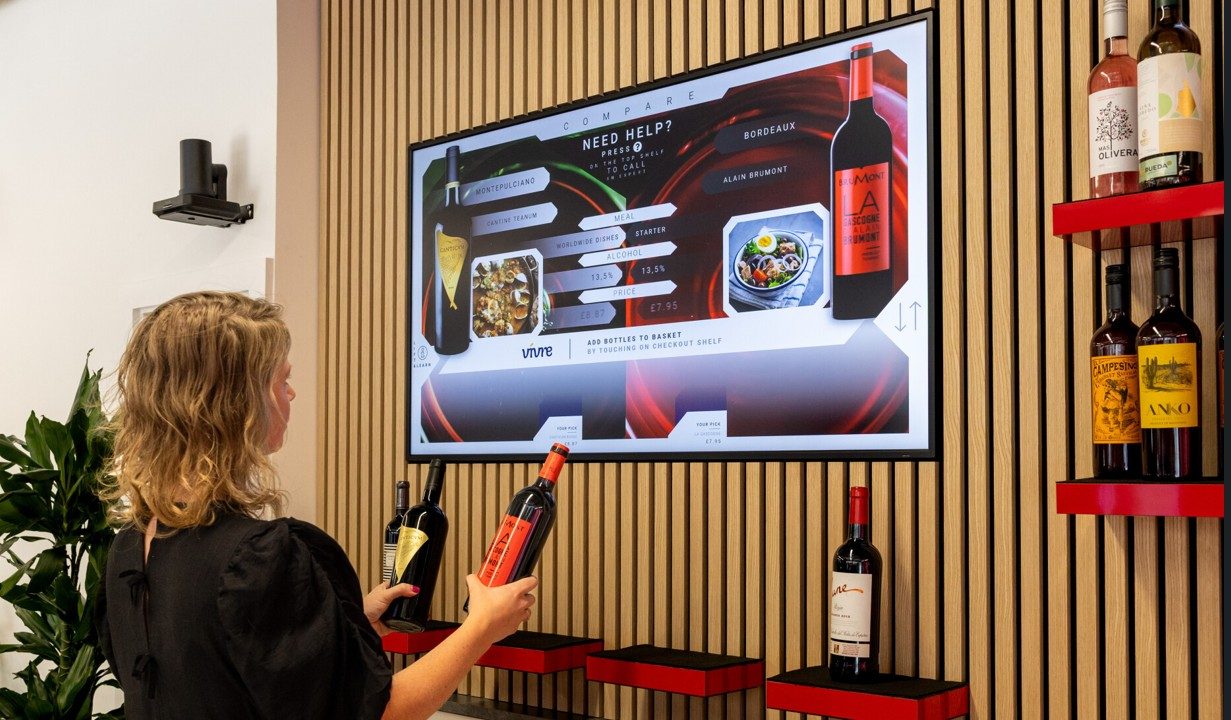
For discovery-led environments, the opportunity is richer. Compelling visual storytelling, rotating collections, immersive brand narratives, digitally-driven experiences such as our Lift and Learn or Pick and Play technology as well as loyalty program-integrated or AI-supported clienteling tools all elevate the in-store experience beyond anything online can provide. Our AV integration partners specialize in designing and deploying these environments and understand that the hardware and content strategy have to work together. A beautiful LED wall showing stale, uninspiring content defeats the purpose; a well-orchestrated digital canvas, fed by intelligent and reliable content scheduling, creates the kind of dwell-time-extending experience the report calls for.
The Takeaway for Retail and Tech Teams
The call to action from Mckinsey is clear: assign every store a primary mission, then design the technology, layout, staffing, and content around that purpose. Retailers that manage their stores uniformly regardless of location, customer profile, or shopping mission, are leaving significant performance (and potential profits) on the table.