Every year, the Peerless AV Showcase at Lord’s Cricket Ground is one of the dates I circle in my calendar with genuine enthusiasm. It’s an event that’s built around something I believe in deeply: real conversations with the right people.
Unlike the larger shows where we exhibit Scala’s scalable solutions, the AV Showcase feels special. The event has an intimacy and a focus and at Lord’s I know I will have time with our partners to really connect with them to discuss the projects they are working on, the concerns they have and where we can work collaboratively together to deliver digital solutions that deliver beyond client expectations. For me, it’s less about showcasing technology and more about reinforcing what Scala stands for as a partner: presence, commitment, and a genuine desire to help our partners grow. That’s the spirit I’ll be bringing to the AV Showcase tomorrow and Wednesday.
It has been and continues to be a busy year for Scala, From launching Scala Quintet and the restaurant automation solution serving over one million correct orders within nine months of launch to the recently upgraded Scala Enterprise v13.60, we have been working to deliver partners and end users the technology they want as well as the support they need. Our solutions have been appreciated by customers and lauded by the industry with my Spanish colleagues delivering an award-winning installation for the massive energy supplier, Repsol. I am happy to share more about everything we have been working on with those that come to see us at the AV Showcase.
The big news we’re launching at the show itself is Scala: The First 40. As we approach our 40th anniversary in 2027, we’re calling on partners, integrators, clients and industry colleagues to share their memories, images, stories and milestones from working with Scala over the decades. I’ve been with Scala for nearly six years, but my relationship with the platform stretches back almost 25 years (I know, hard to believe looking at me right?) to my time as an end-user, so this anniversary celebration feels personal to me. Being a part of this industry for 40 years is a testament to Scala’s reliability, adaptability, scalability, and the extraordinary people who’ve been part of this journey.
If you’d like to contribute to Scala: The First 40 with a memory, an image, or an interview then please get in touch at first40@scala.com. The deadline for submissions is 30 November 2026, and we’d love to hear from you. I am looking forward to celebrating with partners across 2027 and I will share more of our plans in the coming months. If I see you at AV Showcase this week or at another event I will probably be asking you how you feel this significant milestone should be marked as well as how we can work together to deploy solutions that continue to deliver for your clients for the next 40 years.
It’s shaping up to be a brilliant couple of days. Come and find me at Lord’s. I am looking forward to seeing you there.
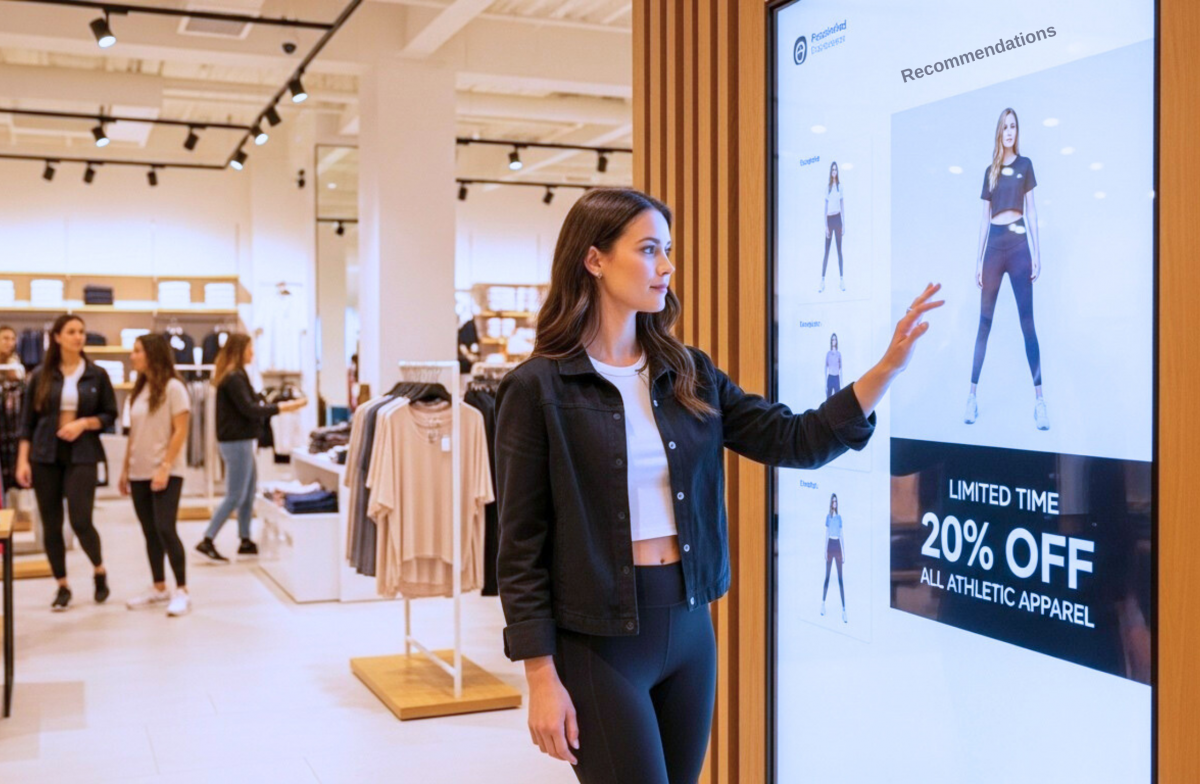
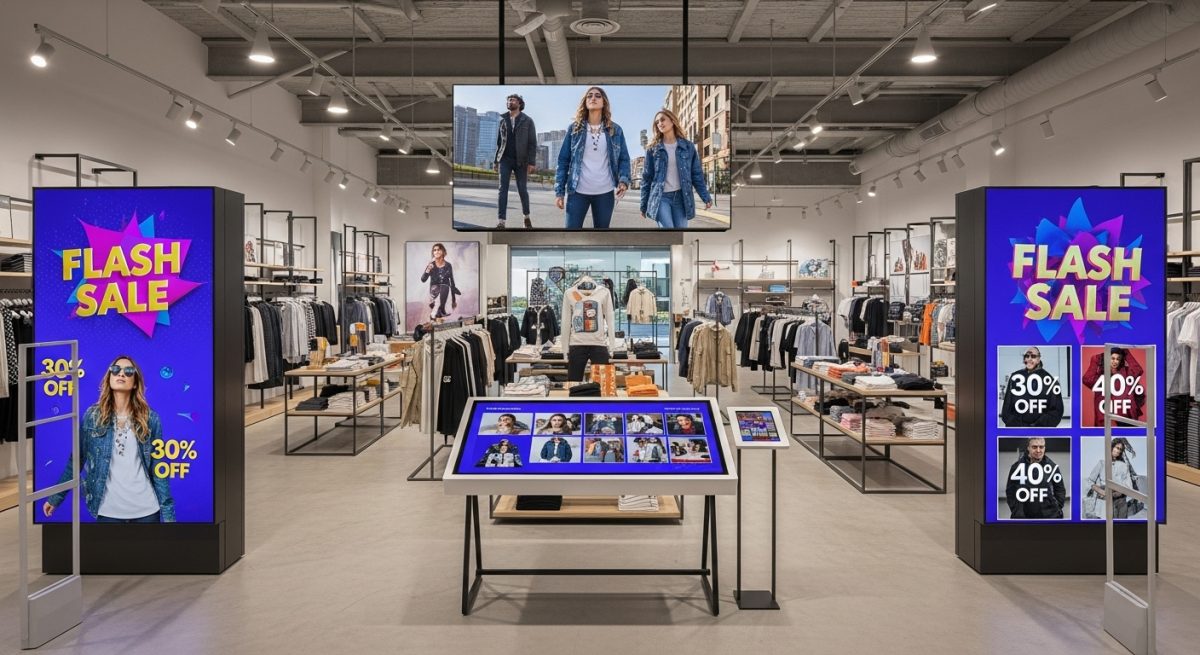
Scala reflects on Retail Technology Show 2026, where interactive retail and hospitality solutions—from guided selling to full restaurant automation—demonstrated how brands can deliver smarter, more connected customer experiences at scale.
The investment in digital signage for stadiums is growing significantly, with the global market expected to reach USD 1.07 billion by 2034, up from USD 0.65 billion in 2024. The growing investment reflects the growing expectation of teams, supporters, and sponsors that the matchday experience will be something truly special and superior to watching at home.
Dynamic digital signage in-stadium has a key role to play in elevating the matchday experience, rewarding fans, supporting teams, and incorporating advertising opportunities. From directing supporters to their seats or the restrooms, to informing them of crucial team changes or updating them on in-stadium offers and future fixtures, digital signage is crucial to the operations, sales, and success of sports and entertainment businesses.
Wayfinding and More
Digital signage in stadiums plays a critical role in helping thousands of visitors navigate large and often complex venues. Strategically placed screens guide fans to entrances, seating sections, restrooms, concessions, and exits, helping to reduce congestion and improve the overall visitor experience. Real-time updates can show queue or wait times at food stalls or merchandise stores, allowing fans to plan their movements more efficiently and spend less time in lines. In addition to wayfinding, these displays are an effective channel for emergency messaging, providing clear instructions in case of incidents or evacuations. At the same time, the same screens can promote food offers, merchandise, and upcoming events, turning essential information points into valuable communication and revenue-generating tools.
All of the Action on the Big Screen…
The stadium’s main screen is the focal point for fans and plays a major role in enhancing the event’s atmosphere. It is also a massive opportunity for event advertisers. Digital signage allows stadium operators to display player profiles, statistics, referee decisions, and instant replays of key moments, such as goals or decisive plays, all in real time. During breaks in play, this marquee screen builds anticipation before the match begins and keeps that momentum going during halftime with entertainment such as fan competitions, sponsor activations, and highlight reels. This screen also plays a key role in sharing the sports team’s history – their importance to the community, any charitable campaigns supported by the club, alongside personalized announcements recognizing the fans and players. The prominence of big screens in a stadium means execution needs to be flawless and often involves integrating information from multiple sources. By combining on-pitch play updates with results across the league, promotional information, fan messaging, and appropriate social feeds, the big screens in a stadium prove themselves a critical component of the matchday experience.
…And on the Smaller Screens
While the main screen captures attention, smaller digital displays across the stadium play a complementary role. Digital ‘ribbon’ signage running around the field and the stands can display advertising, sponsor messages, and lucrative brand takeover opportunities. They can also show messaging to reinforce what appears on the big screen. Screens located in concourses, hospitality areas, and other high-traffic areas provide additional information, including live match updates, player statistics, substitutions, and league rankings. These displays ensure fans remain connected to the action even when they leave their seats to use the restroom, get food, or buy merchandise.
Keep Employees Informed
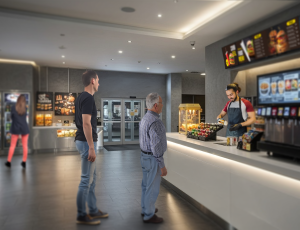
Digital signage is also a powerful internal communication tool for stadium operations. Staff-only displays can alert employees to areas experiencing high foot traffic where additional support may be required. In concession areas, screens and integrated solutions such as Scala’s Quintet can help streamline ordering, manage food orders, track preparation status, and communicate with customers. During emergencies or operational changes, digital signage provides a fast and consistent way to communicate instructions to staff across the venue, helping teams respond quickly and maintain a safe, well-managed environment.
For the Fans
Creative use of in-stadium digital solutions can extend beyond simply informing fans of players, plays, and points or sharing their social posts on the big screen. The use of digital and touchscreen technology can create opportunities to share a club’s historical highlights. Touchscreens can also provide fans with opportunities to interact, such as entering competitions, purchasing or upgrading seats, ordering personalized merchandise, posing for an augmented reality photo with their favourite player wearing, or simply signing up for a mailing list. These interactions open up more opportunities for fans to deepen their relationship with their club while giving the club more insight into what fans really want.
Digital solutions, including signage, have become an essential part of the modern stadium ecosystem. By guiding fans, enhancing on-screen action, supporting staff, and unlocking new advertising opportunities, digital solutions help transform live sport into a more connected and memorable experience. When executed strategically, in-stadium digital displays do more than inform—they strengthen fan engagement, improve operational efficiency, and create new avenues for revenue and long-term growth.
Scala is already helping clubs transform the matchday experience. To see how these principles work in practice, read how Fortuna Sittard partnered with Scala to replace aging scoreboards with a scalable digital platform — integrating custom scoreboard control, live ESPN feeds, instant VAR updates and event-triggered sponsor activations across their stadium.
The Healthcare Digital Signage Market is expected to reach USD 1.10 billion by 2030, up from USD 0.75 billion in 2025. The majority of this growth will be within hospital and clinic settings, but it is expected that pharmacies and other healthcare-adjacent settings, such as wellness centers, gyms, and aestheticians, will also invest significantly in their digital display capabilities as the possibilities offered by integrated digital solutions become more widely recognized.
Making a Strong First Impression with Exterior Signage
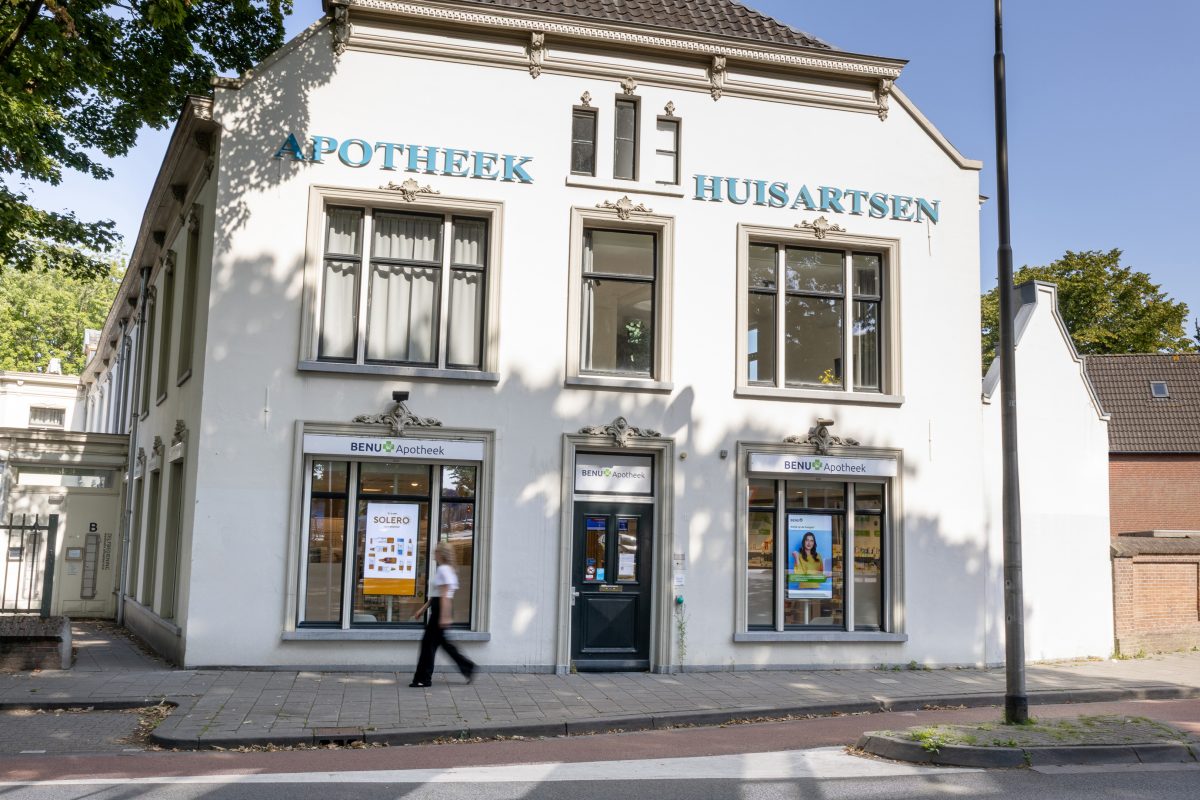
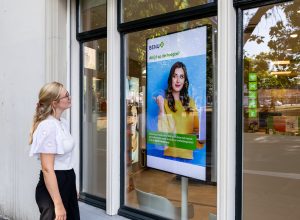
Exterior-facing digital signage serves as the first touchpoint between a pharmacy and its customers. These screens do far more than simply display branding—they actively welcome customers while communicating essential, real-time information. Opening hours, average wait times, and directions to nearby alternative branches can all be shared instantly and updated as needed to best serve shoppers.
In-window screens can do more than just impart useful information. By incorporating QR code functionality, pharmacies can give customers a convenient way to book appointments for services such as vaccinations or consultations before they even step inside. This not only improves efficiency at the pharmacy but also helps manage demand more effectively.
These exterior displays can also double as advertising platforms. Pharmacies may promote in-store products and also tap into wider Digital Out of Home (DOOH) opportunities by hosting campaigns for non-endemic brands, such as film releases or financial services. In times of need, these screens can even pivot to share critical public health messaging—making them a valuable community asset and a potential revenue stream.
Kiosks for Convenience, Clarity and Customer Care
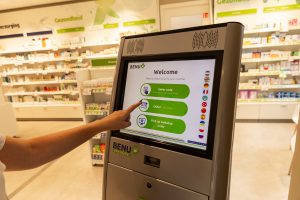
Once inside the pharmacy, welcome kiosks play a crucial role in shaping the patient journey. Acting as a digital front desk, these kiosks help reduce wait times, improve communication, and free up staff to focus on more complex tasks.
Patients can quickly register their visit, whether they’re collecting a prescription or seeking advice. Integration with mobile devices means users can check in and receive notifications when it’s their turn, creating a smoother, more transparent experience.
Welcome kiosks also help address common pain points. They can mitigate language barriers, such as those encountered in pharmacies in tourist-heavy areas, and provide reminders about health services, such as flu vaccinations or general hygiene practices.
Empowering and Engaging Customers through Interactive Displays
Interactive touchscreen displays take the pharmacy experience a step further by enabling guided self-service and offering an engaging platform for product discovery. Via an integrated touchscreen display, patients can be led through a series of questions leading to a recommendation of appropriate over-the-counter medicines. This reduces reliance on staff for common ailments, which may not require an in-person consultation or restricted medication.
The potential of touchscreen technology goes beyond basic recommendations for allergy tablets or cough medicine. Interactive displays can help customers build tailored healthcare or cosmetics packages—whether that’s a skincare routine, a vitamin regimen, a complete make up look or a travel health kit. When integrated with loyalty programs, touchscreen interactions can yield valuable insights into customer preferences, enabling more personalized and effective promotions in the future.
Making Waiting Work
Waiting areas present a unique opportunity to inform, engage, and reassure patients. Digital screens in these spaces can display real-time wait times and service updates—an approach recommended by the Royal College of Emergency Medicine in the UK.
Research supports the impact of this strategy. Studies have shown that displaying real-time information can reduce perceived wait times by up to 35%, while engaging content, such as health advice, can lower stress levels by as much as 37%.
These screens can also deliver deeper health education, promote community initiatives, and highlight upcoming clinics or services. For younger visitors, smaller tablets offering games or child-friendly content can help alleviate boredom and even serve as a distraction during inoculations or other treatments.
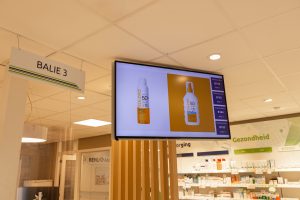
A strong example comes from the Dutch pharmacy chain BENU Apotheek, which has rolled out 655 screens across 345 locations. The result has been improved efficiency, reduced wait times, and higher customer satisfaction—demonstrating the tangible impact of this technology at scale. Read the complete case study here.
Unlocking Retail Media Opportunities
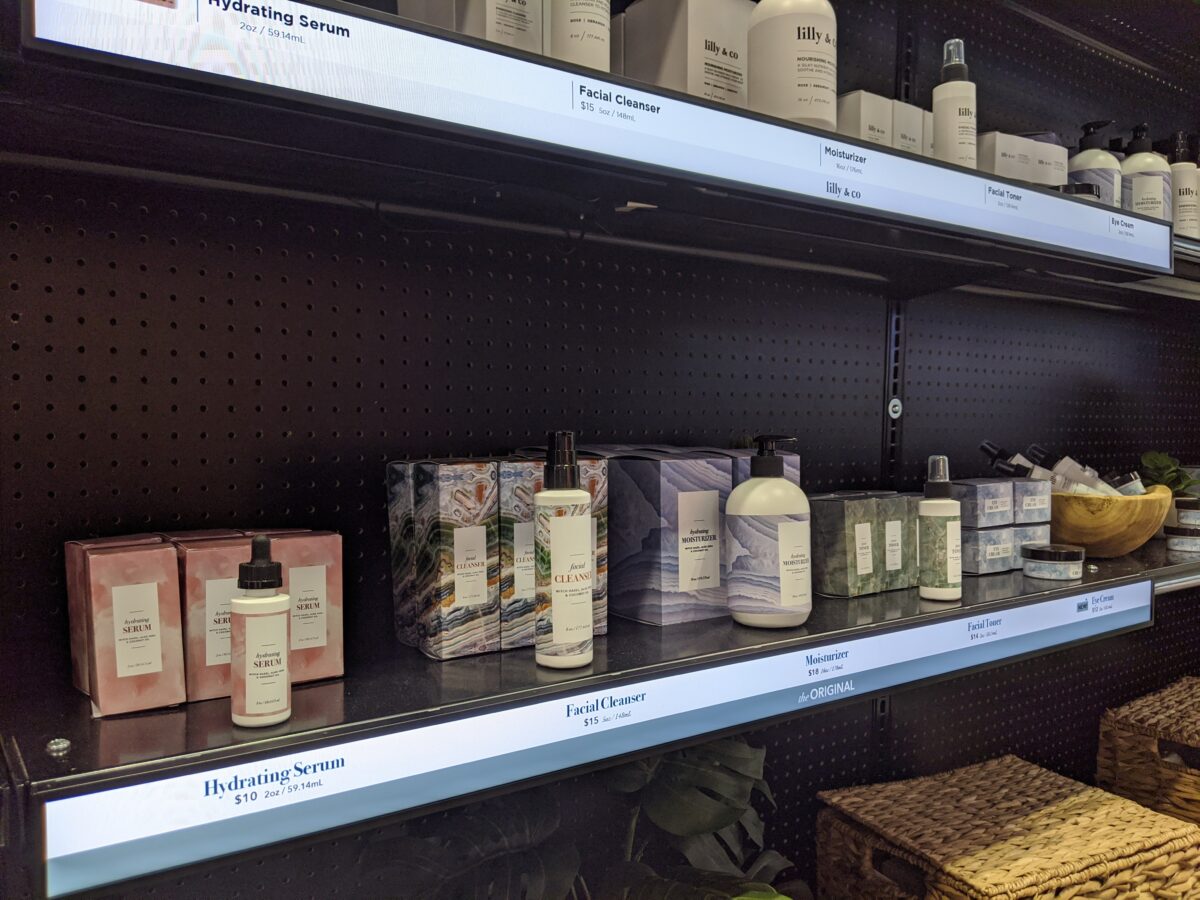
Beyond operational improvements, digital signage opens the door to retail media—a rapidly growing revenue stream for retailers and other premises. Pharmacies with sufficient scale can monetize their screen networks by offering advertising space to brands, both within and beyond the cosmetics, hygiene, and healthcare sectors.
The impact is significant. Research from AccentHealth found that US doctors reported a 50% increase in same-day discussions about advertised brands, while 63% of patients said they had discussed or planned to discuss content they saw on waiting room screens.
In Europe, FUTURAMEDIA has demonstrated that combining point-of-sale and street-facing signage can drive product sales up by as much as 77%. Even standalone implementations show strong results, with notable sales increases from both in-store and exterior displays. Explore the full case study for more insights.
A Connected, Flexible Future for Pharmacies
What makes digital signage truly powerful is its flexibility and the way a single in-store surface can convey multiple messages. Pharmacies can deploy national campaigns while tailoring communications to specific locations, ensuring relevance at both a macro and micro level. Content can be updated in real time to align with local needs, seasonal trends, or public health priorities.
In a sector where efficiency, trust, and communication are critical, digital signage and integrated solutions are no longer optional—they’re essential. Pharmacies that embrace this technology are not just modernizing their operations; they’re redefining the patient experience for happier customers and a healthier business.
With another National Retail Federation (NRF) show in the books, Scala and the entire STRATACACHE team spent an energizing few days at the 2020 Show paving the way for marketing technology and smart digital signage solutions to enhance in-store experiences.
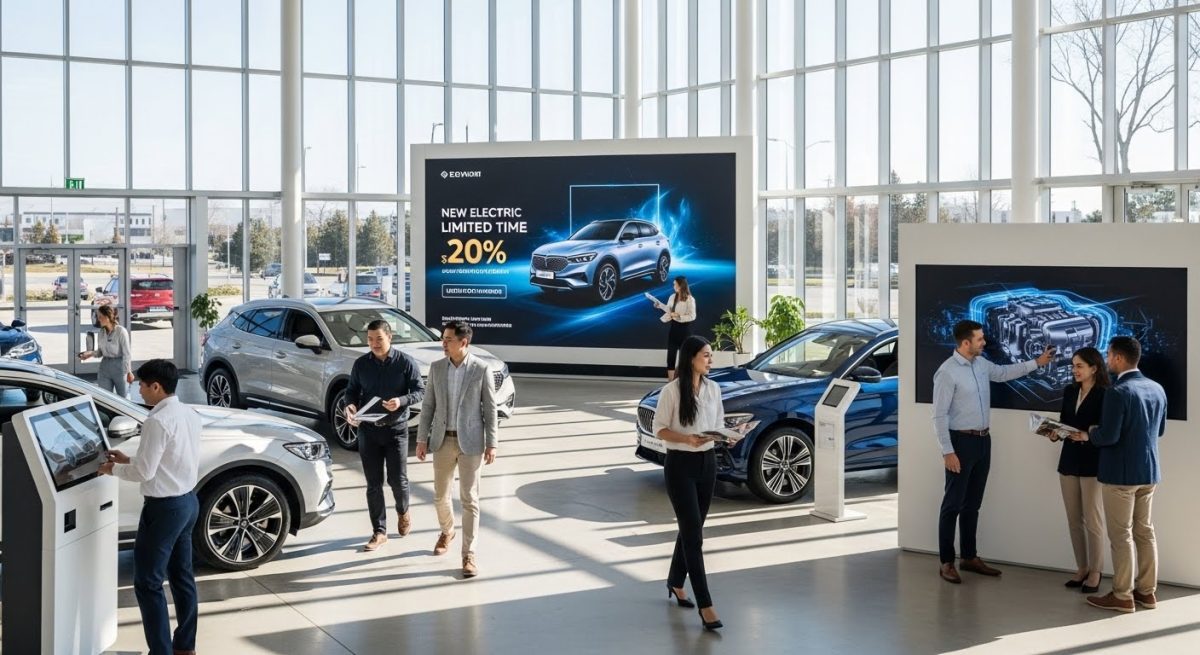
The automotive showroom is no longer just a display space—it’s a validation environment where online research meets in-person confirmation. As buyer behavior evolves and dealership models modernize, showrooms are transforming into connected, education-driven retail environments. From EV education zones to centralized digital infrastructure, these seven structural shifts are redefining how dealerships build trust, deliver clarity, and support modern car buyers.
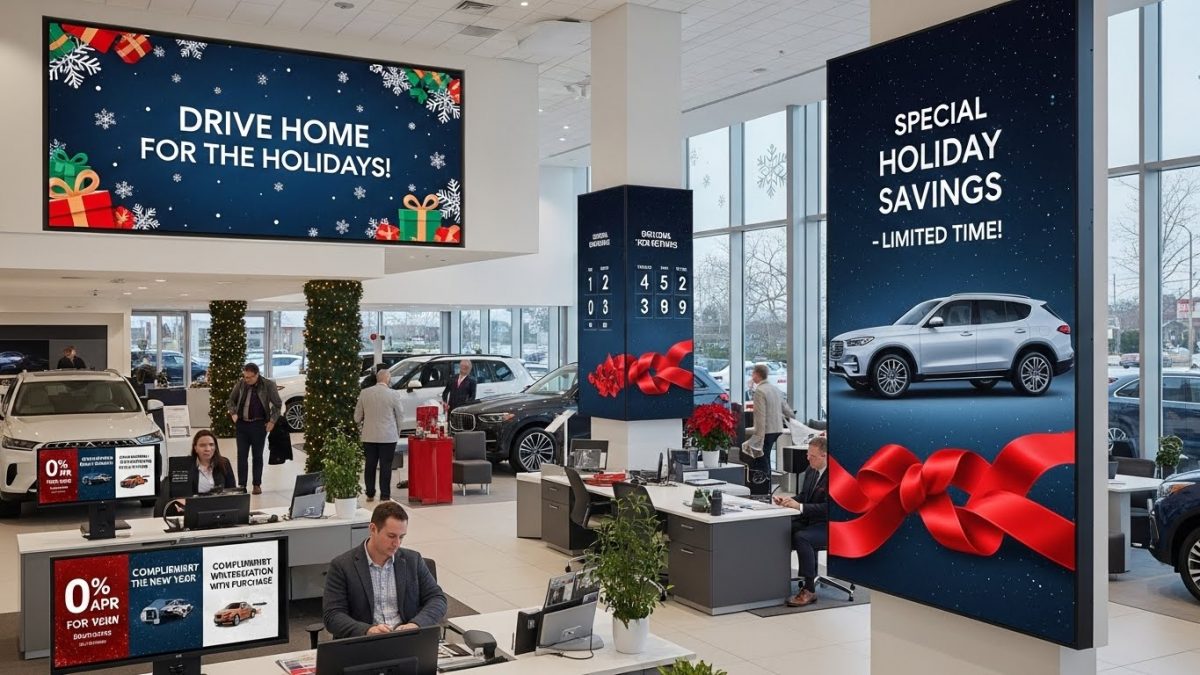
The magic of the holiday car-buying experience has never been about discounts alone. It’s about anticipation, emotion, and the moment a vehicle becomes more than transportation. Inside the dealership, digital signage and interactive displays now make it possible to recreate that feeling—turning showrooms into immersive environments that inspire connection, confidence, and commitment long before price enters the conversation.
Holiday cruising is entering a new era—one where digital signage, interactive concierge screens, and real-time content transform festive sailings into seamless, personalized guest experiences. From guiding passengers through crowded decks to delivering instant updates on seasonal events, cruise lines are using smart technology to elevate holiday magic while keeping operations running smoothly.
Interactive digital signage is revolutionizing how organizations communicate and connect with audiences. From retail to corporate and education settings, touchscreen kiosks and AI-powered displays transform screens into personalized, data-driven engagement tools. Scala’s interactive solutions turn static content into dynamic experiences — guiding shoppers, informing employees, and inspiring action through real-time updates, localized content, and intelligent targeting.
In a competitive retail landscape, static signs no longer stand out. Digital signage delivers dynamic, real-time content that engages shoppers, drives sales, and provides measurable ROI. From attention-grabbing window displays to interactive kiosks, discover how Scala’s retail signage solutions turn every screen into a performance-driven sales tool.
We value your privacy
We use cookies to enhance your browsing experience, serve personalized ads or content, and analyze our traffic. By clicking "Accept All", you consent to our use of cookies.
Functional
Toujours activé
The technical storage or access is strictly necessary for the legitimate purpose of enabling the use of a specific service explicitly requested by the subscriber or user, or for the sole purpose of carrying out the transmission of a communication over an electronic communications network.
Preferences
The technical storage or access is necessary for the legitimate purpose of storing preferences that are not requested by the subscriber or user.
Statistics
The technical storage or access that is used exclusively for statistical purposes.The technical storage or access that is used exclusively for anonymous statistical purposes. Without a subpoena, voluntary compliance on the part of your Internet Service Provider, or additional records from a third party, information stored or retrieved for this purpose alone cannot usually be used to identify you.
Marketing
The technical storage or access is required to create user profiles to send advertising, or to track the user on a website or across several websites for similar marketing purposes.





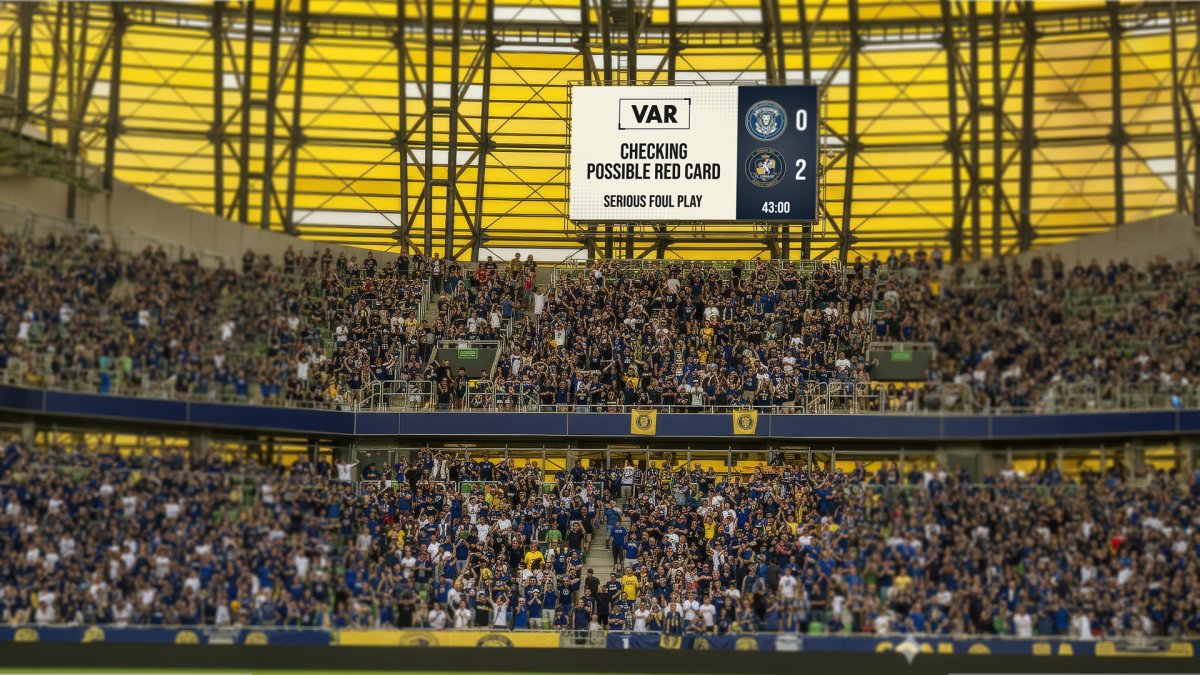
 The stadium’s main screen is the focal point for fans and plays a major role in enhancing the event’s atmosphere. It is also a massive opportunity for event advertisers. Digital signage allows stadium operators to display player profiles, statistics, referee decisions, and instant replays of key moments, such as goals or decisive plays, all in real time. During breaks in play, this marquee screen builds anticipation before the match begins and keeps that momentum going during halftime with entertainment such as fan competitions, sponsor activations, and highlight reels. This screen also plays a key role in sharing the sports team’s history – their importance to the community, any charitable campaigns supported by the club, alongside personalized announcements recognizing the fans and players. The prominence of big screens in a stadium means execution needs to be flawless and often involves integrating information from multiple sources. By combining on-pitch play updates with results across the league, promotional information, fan messaging, and appropriate social feeds, the big screens in a stadium prove themselves a critical component of the matchday experience.
 Digital signage is also a powerful internal communication tool for stadium operations. Staff-only displays can alert employees to areas experiencing high foot traffic where additional support may be required. In concession areas, screens and integrated solutions such as Scala’s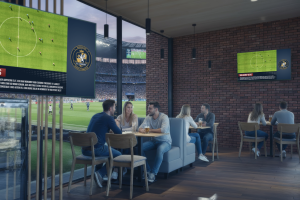
 Exterior-facing digital signage serves as the first touchpoint between a pharmacy and its customers. These screens do far more than simply display branding—they actively welcome customers while communicating essential, real-time information. Opening hours, average wait times, and directions to nearby alternative branches can all be shared instantly and updated as needed to best serve shoppers.
 Once i